Analysis
Gastrofashion: IP considerations in Latin America
For more than two decades, luxury fashion brands have been extending their retail experience into dining across Asia, transforming physical shops into immersive lifestyle destinations that generate viral moments. Labels such as Agnès b. , Vivienne Westwood , and Armani were early pioneers of this sensory retail shift.
By Crystal Lo · Head of China Desk
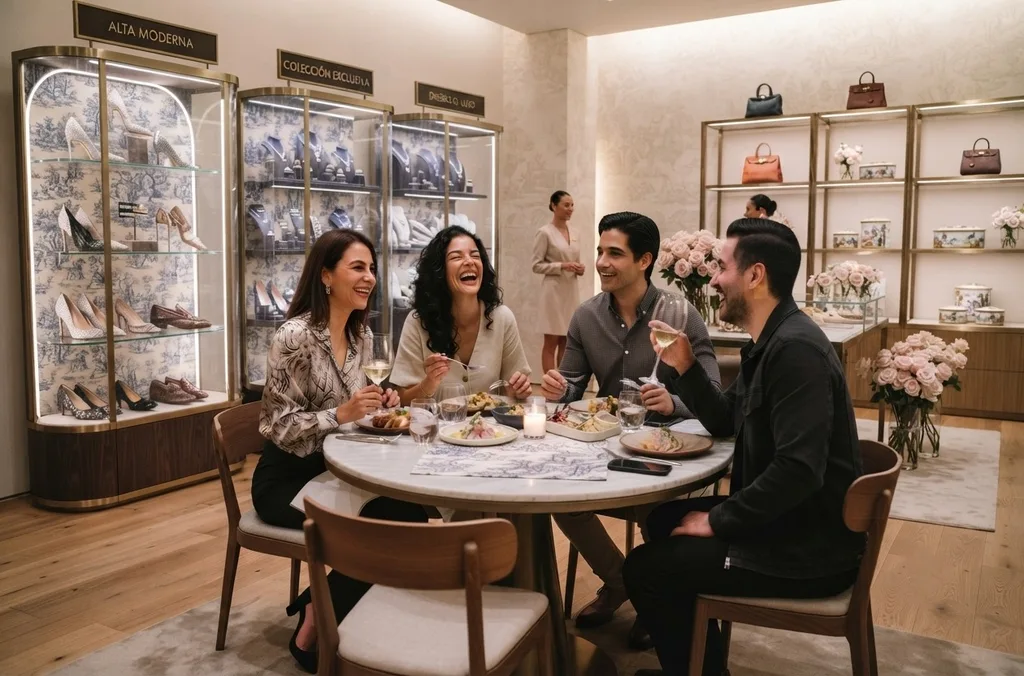
For more than two decades, luxury fashion brands have been extending their retail experience into dining across Asia, transforming physical shops into immersive lifestyle destinations that generate viral moments. Labels such as Agnès b., Vivienne Westwood, and Armani were early pioneers of this sensory retail shift. In the years that followed, high-end brands including Louis Vuitton, Dior, Prada, Coach, and Tiffany & Co. launched similar spaces to capture customer dwell time and drive long-term attachment.
In Latin America, the same lifestyle trend initially developed in a different direction, taking root through homegrown regional brands. These included Argentine labels Jazmín, Portsaid, and Revolver; Mexico’s Defino and JR Kiyo; and Brazil’s Welcome Sunny Garments, Cantão, and Farm, which paired their fashion offerings with creative culinary concepts. International giants such as Tiffany & Co. later established premium dining experiences in metropolitan hubs including Mexico City and São Paulo.
Before these fashion and hospitality partnerships take place, a range of intellectual property issues must be addressed to protect the core identity of the brand as it is translated into architecture, service, and atmosphere:
- Trademark classifications to secure distinct rights across new commercial sectors.
- IP licensing arrangements defining scope, territory, duration, and financial participation.
- Publicity rights concerning campaign assets, influencer content, and guest-generated media.
- Brand ownership over new intellectual property produced during collaborations.
- Brand control and protection to ensure strict oversight of menus, uniforms, interiors, and customer service standards.
- Multi-jurisdictional operating frameworks balancing global consistency with local legal requirements.