Interview
Inspiring Women in Law – Interview with Valeria Ruz: Gender Equality in the Legal Industry
LATIN COUNSEL spoke with Valeria Ruz about the role of women in the legal profession, a field still dominated by men. Valeria has been a partner at Chilean firm FerradaNehme since 2012, in its Environment and Natural Resources practice.
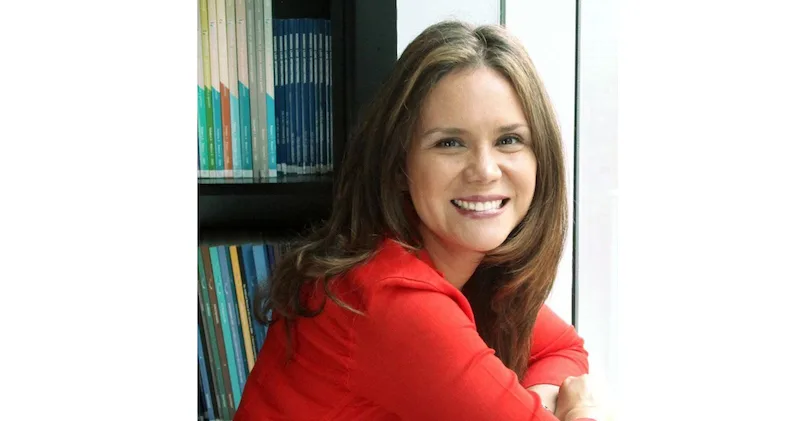
LATIN COUNSEL spoke with Valeria Ruz about the role of women in the legal profession, a field still dominated by men.
Valeria has been a partner at Chilean firm FerradaNehme since 2012, in its Environment and Natural Resources practice.
Latin Counsel: What was the main reason you decided to become a lawyer? What do you like most about your profession?
Valeria Ruz: My idealism and my pursuit of justice. The law gives society structure, with clear rules that provide order. Respect for those rules creates a harmonious and peaceful society. And when those rules are broken, the balance must be restored. Being able to use my knowledge to help make that happen is inspiring; it means contributing, in some measure, however small, to creating a better society.
Latin Counsel: Could you describe a complex case you have faced?
Valeria Ruz: From the perspective of gender equality, I have on several occasions had to deal with situations in which some clients do not give the opinion or advice of a female lawyer the same consideration as that of a male lawyer. This is apparent in meetings, where they pay more attention to or place greater value on what a male lawyer says, even when a female lawyer has often already made the same point.
LC: What made it particularly difficult, and how did you address it?
VR: It is difficult because you have to contend with other people’s prejudices and biases. In other words, there is a firmly entrenched culture and set of preconceptions that require cultural change. Still, I believe this should motivate us to keep demonstrating our professional value and everything our perspective and knowledge can contribute to our clients.
LC: In your view, what are the most significant changes the legal industry has undergone in terms of gender equality since you began working?
VR: The most valuable change is that I think we have recognised that there is a problem. If you do not see the problem, you cannot find a solution. Alongside that, various initiatives have been developed in both the public and private sectors to achieve gender equality. It is a good start, but there is still a long way to go.
At FerradaNehme, the firm where I am a partner, we have introduced measures such as recruiting and selecting people on equal terms, fostering a working environment compatible with personal commitments, encouraging women to take on leadership roles, and adopting a remuneration policy based on equal pay, among others.
The industry’s challenge remains to retain and develop female talent and ensure that women reach more positions of responsibility and receive the recognition they truly deserve; talent and ability, not gender, should be the measure.
LC: What are the main challenges women lawyers face today?
VR: The challenges are linked to a deeply rooted culture that still needs to change. It perpetuates gender stereotypes, including unconscious ones, and requires profound transformation. For example, work is not sufficiently compatible with motherhood, and society also places expectations on women in their maternal role. As a result, female talent is often lost because workplaces lack the conditions needed to develop it. Women also face a lack of recognition of their ability to lead effectively and successfully, resulting in fewer women in senior positions of responsibility.
LC: From your perspective, what steps should Chile, a country largely led by men, take next to promote greater equality in the legal industry?
VR: We need to establish the right conditions to retain female talent. In my view, that goes hand in hand with flexibility. Flexibility makes it possible to create an environment that accommodates both professional and personal development, while also fostering commitment. Men and women alike must also be trained to bring about cultural change around gender equality. In addition, companies and law firms must commit to developing female talent and take the “risk” of giving women positions of responsibility. I believe it is a winning bet, but they are not yet fully aware of that.
fn.cl