Interview · Guatemala
An interview with Juan Antonio Mazariegos Gómez: "The biggest conflict that arises in the application of Blockchain technology is the tokenization of physical assets"
Latin Counsel spoke with Juan Antonio Mazariegos Gómez, founding partner of Alegalis law firm in Guatemala and of the alliance of Central American firms Legic, about the strategies to advise companies from different countries and continents, the transformation of the legal sector product of technology and artificial…
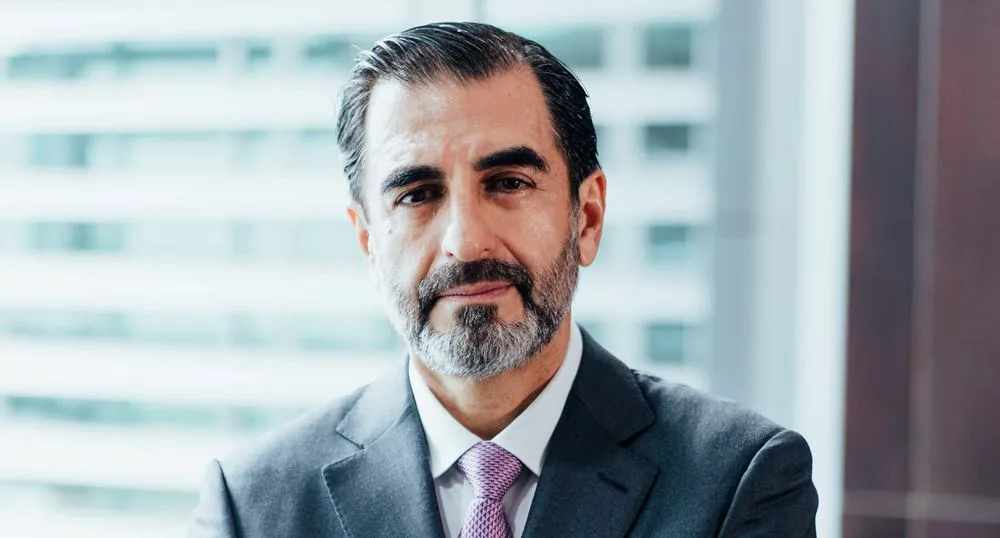
Latin Counsel spoke with Juan Antonio Mazariegos Gómez, founding partner of Alegalis law firm in Guatemala and of the alliance of Central American firms Legic, about the strategies to advise companies from different countries and continents, the transformation of the legal sector product of technology and artificial intelligence, and the projects he has promoted from his law firm. In addition, the founding director of the Blockchain and Technology Conflict Resolution Institute referred to the complexity of the tokenization of physical assets linked to the blockchain and the incipient development of these processes in Latin America.
Latin Counsel: You have advised companies in Guatemala, Central America, Mexico, the United States and Hong Kong. How do you adapt your advisory strategies based on the contexts of each country and region?
Juan Antonio Mazariegos Gómez: Yes, I have advised companies in the countries mentioned. The advisory strategy in each country is adapted by knowing the interiority of the markets and industries, trying to adapt myself to the reality of each of those countries or industries and never thinking that those clients should adapt themselves to me.
LC: What are the most frequent conflicts that arise in the Blockchain field?
JAMG: In our experience, the biggest conflict that arises in the application of Blockchain technology is the tokenization of physical assets. In Latam, especially since the end of 2022, an ecosystem of companies seeking to bring the traceability of public blockchains to day-to-day transactions has begun to develop. This exercise, and therefore the outcome, has varied widely from company to company.
The conflict we see most commonly is how to classify these tokens representing real assets in a securities market legislation that simply and plainly was not created with these modern market parameters. The difference in reality and what the law states has caused conflicts with the competent authorities and therefore it becomes vital to have a firm understanding of what the limits of authority are in these kinds of situations.
LC: How is technology transforming the legal sector and what new challenges lie ahead?
JAMG: Changes in technology will affect the legal sector from the way we get paid to how we conduct our day-to-day work. Because of the influence of our neighbors in El Salvador, it is not uncommon to have inquiries about accepting digital assets as a method of payment. At the same time, recent advances in AI have caused us to reevaluate our work processes.