Analysis
Pérez-Llorca analyses the latest regulatory and case law trends in its ‘Pérez-Llorca Labour Law Update’ session
Pérez-Llorca has analyzed the Reforms, Algorithm Case Law, and Job Termination Security at its latest Labor Seminar. Partners of the practice Daniel Cifuentes and Isabel Moya attended the event, alongside with Of Counsel Yolanda Valdeolivas .
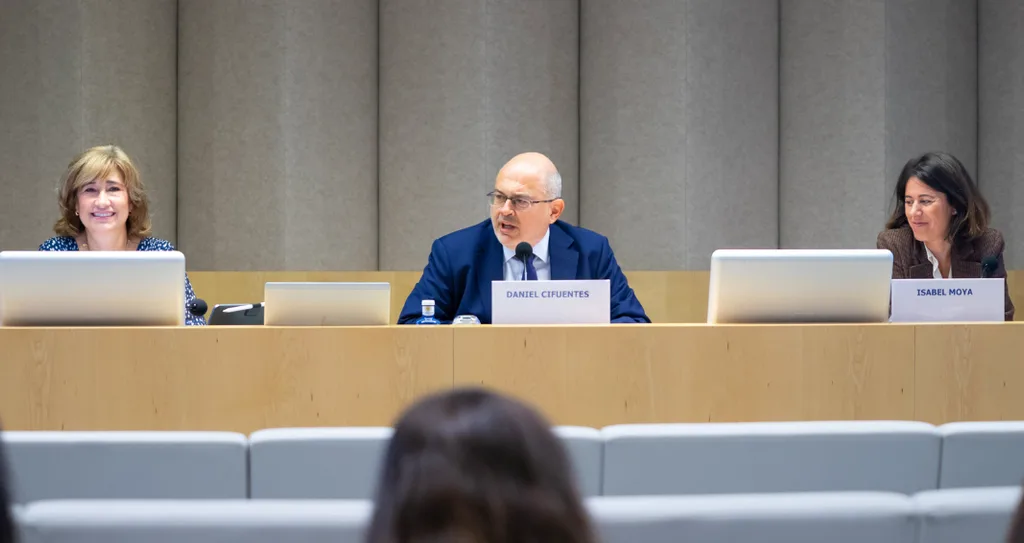
Pérez-Llorca has analyzed the Reforms, Algorithm Case Law, and Job Termination Security at its latest Labor Seminar. Partners of the practice Daniel Cifuentes and Isabel Moya attended the event, alongside with Of Counsel Yolanda Valdeolivas. Together, they provided a comprehensive view of the trends that will mark the end of 2025 in the workplace.
Daniel Cifuentes began the seminar by reviewing the most significant regulatory developments, including the new draft Royal Decree on working time registration, which aims to develop article 34.9 of the Workers’ Statute. As Yolanda Valdeolivas noted, "this reform aims to provide greater legal certainty as to what is considered working time and to ensure more effective control of overtime."
The firm’s Of Counsel also pointed out the significance of the Sustainable Mobility Bill, which will oblige companies with more than 200 workers, or more than 100 per shift, to negotiate sustainable mobility plans, and the Strategic Plan of the Labour and Social Security Inspection Authorities for 2025-2027, aimed at controlling working hours, equal pay and the prevention of psychosocial risks. This part of the session also covered the guidance document on reasonable adjustments for people with disabilities, which came into force in May 2025, and the recent European Working Conditions Survey, which, according to Valdeolivas, "shows an improvement in the quality of employment in Europe, but also highlights persistent inequalities in terms of gender and working conditions."
Cifuentes then went on to review the most significant rulings handed down by the Supreme Court, the Spanish High Court and the Constitutional Court over the past few months. These included decisions on the consideration of certain activities as own-activity contracts, the justification of travel for per diem purposes, the adaptation of working hours for the care of disabled descendants and possible discriminatory situations arising from temporary disability. The Pérez-Llorca partner highlighted in particular the Spanish High Court ruling of 4 July 2025, the first to analyse workers’ legal representatives’ right to information on the use of algorithms in the workplace. "This is a pioneering ruling that will set the standard for trade union transparency and control over automated labour management systems," Cifuentes stressed.
Cifuentes also covered decisions examining employer conduct that may violate freedom of association or constitute a substantial modification of working conditions, as well as others concerning collective bargaining and the proper use of trade union credit. In this regard, a number of rulings on pay, remote working and effective working time were also addressed, along with a resolution on transfers as a form of geographical mobility.